
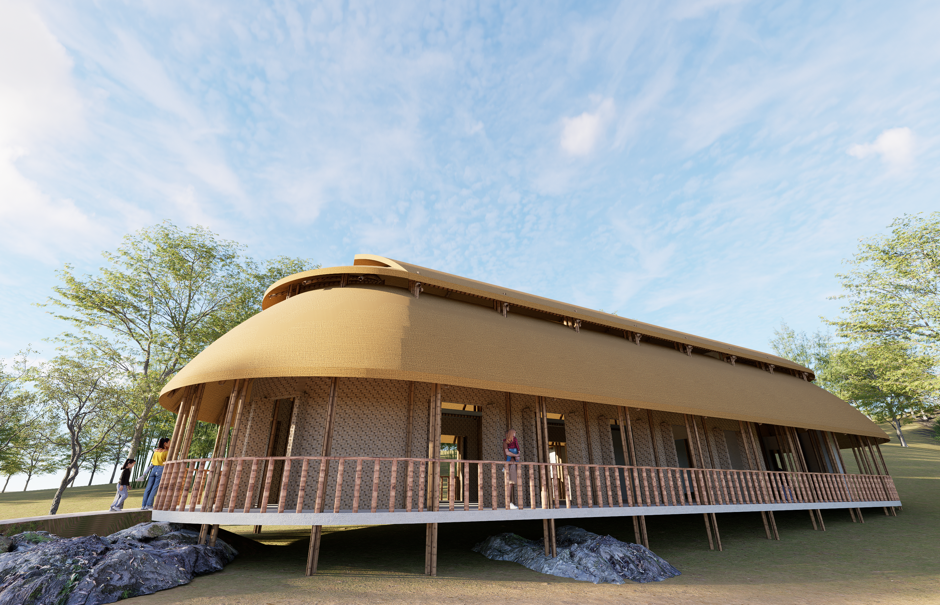
CIPO COMMUNITY CENTRE
Status: on-hold
Location: Phnom Doh Kromom, Mondulkiri, Cambodia
Year: 2026
Client: CIPO
Scope of service: Designer and Workshop coordinator
Location: Phnom Doh Kromom, Mondulkiri, Cambodia
Year: 2026
Client: CIPO
Scope of service: Designer and Workshop coordinator
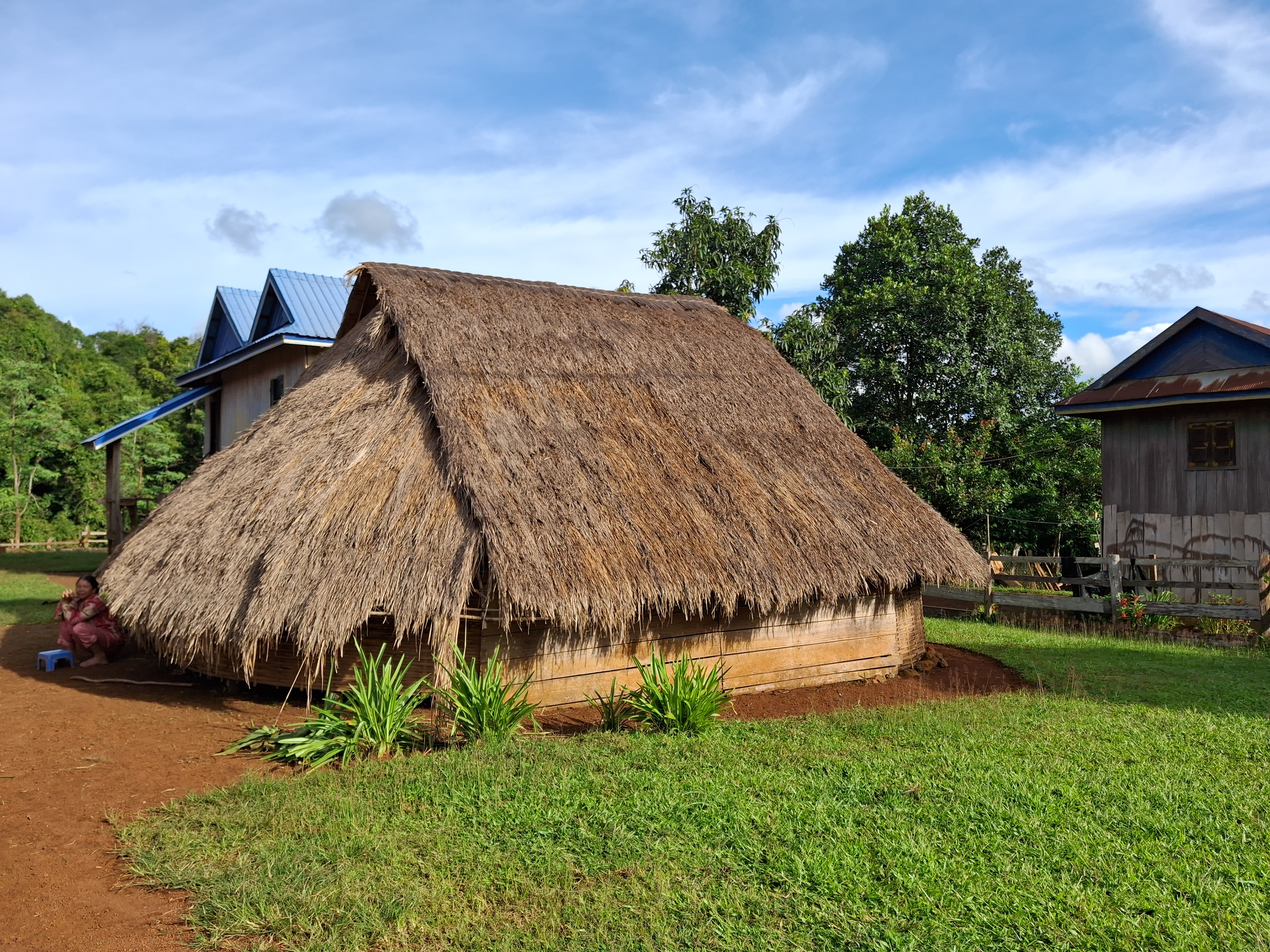
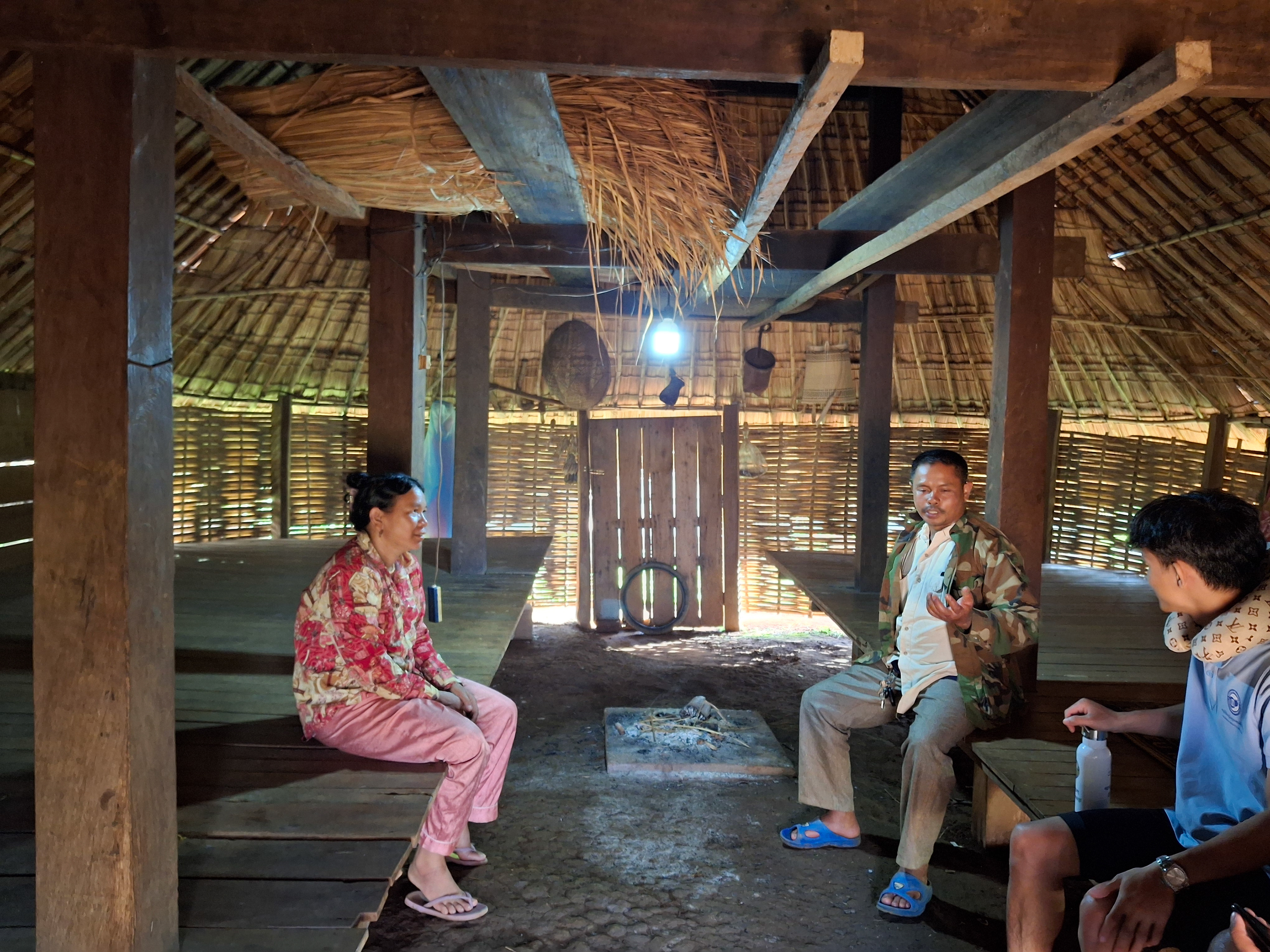
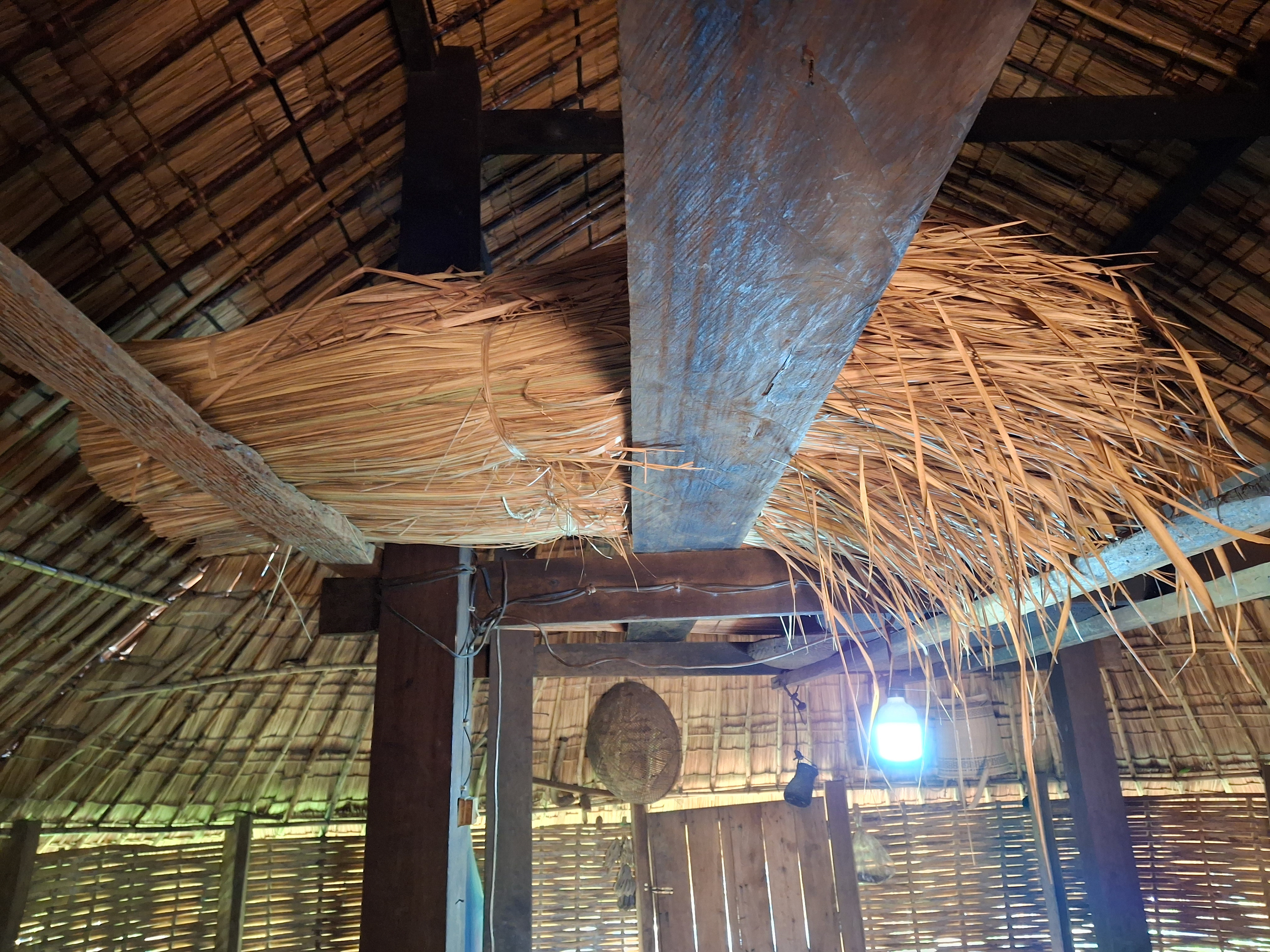
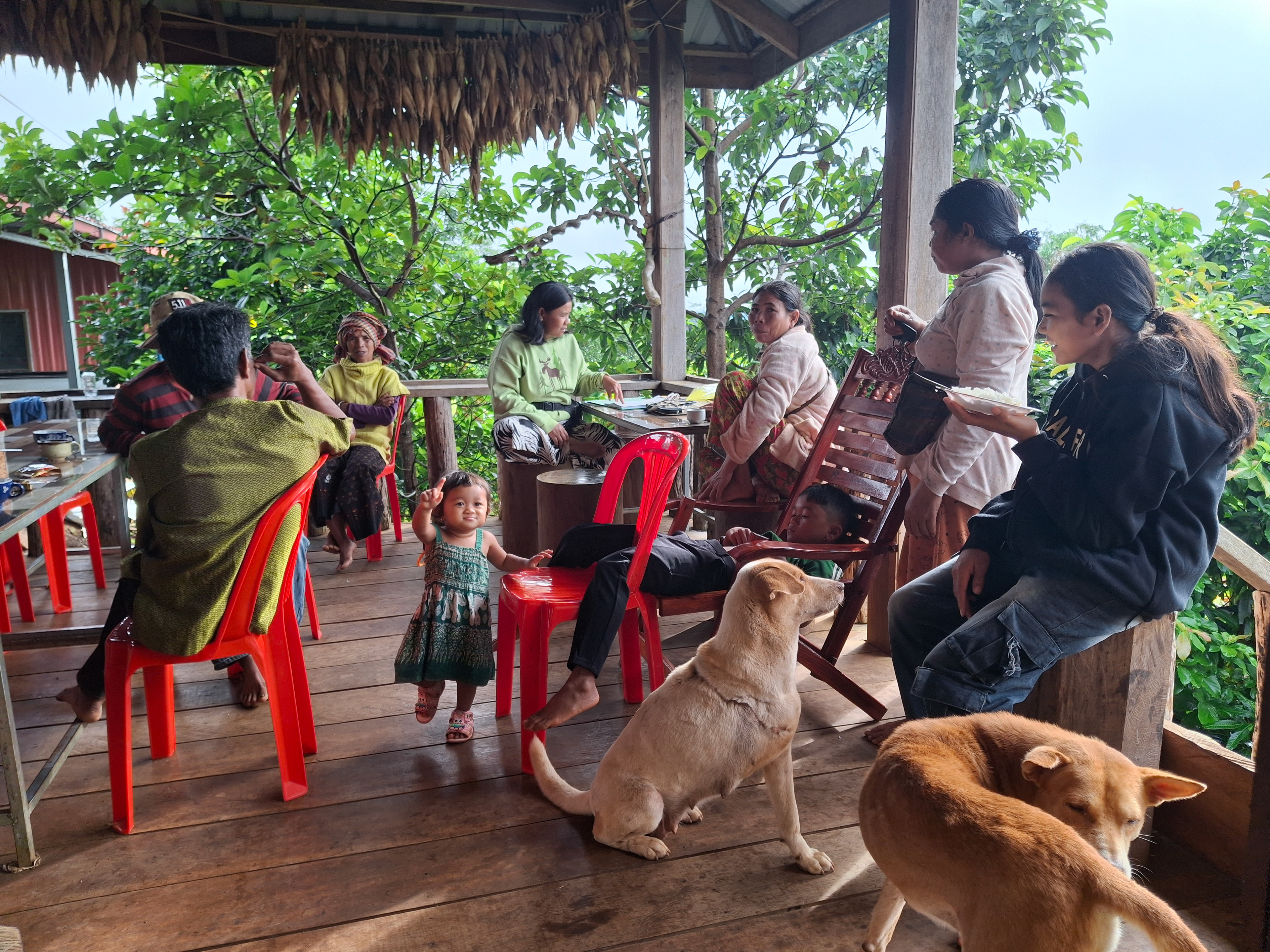
The CIPO Community and Cultural Centre was conceived in collaboration with Cambodian Indigenous Peoples Organization (CIPO), together with local indigenous youth and women’s groups including CIYO and CIWA. The project emerged through a series of community meetings, discussions, and participatory design sessions aimed at understanding not only the spatial needs of the communities, but also their cultural values, concerns, and aspirations for the future.
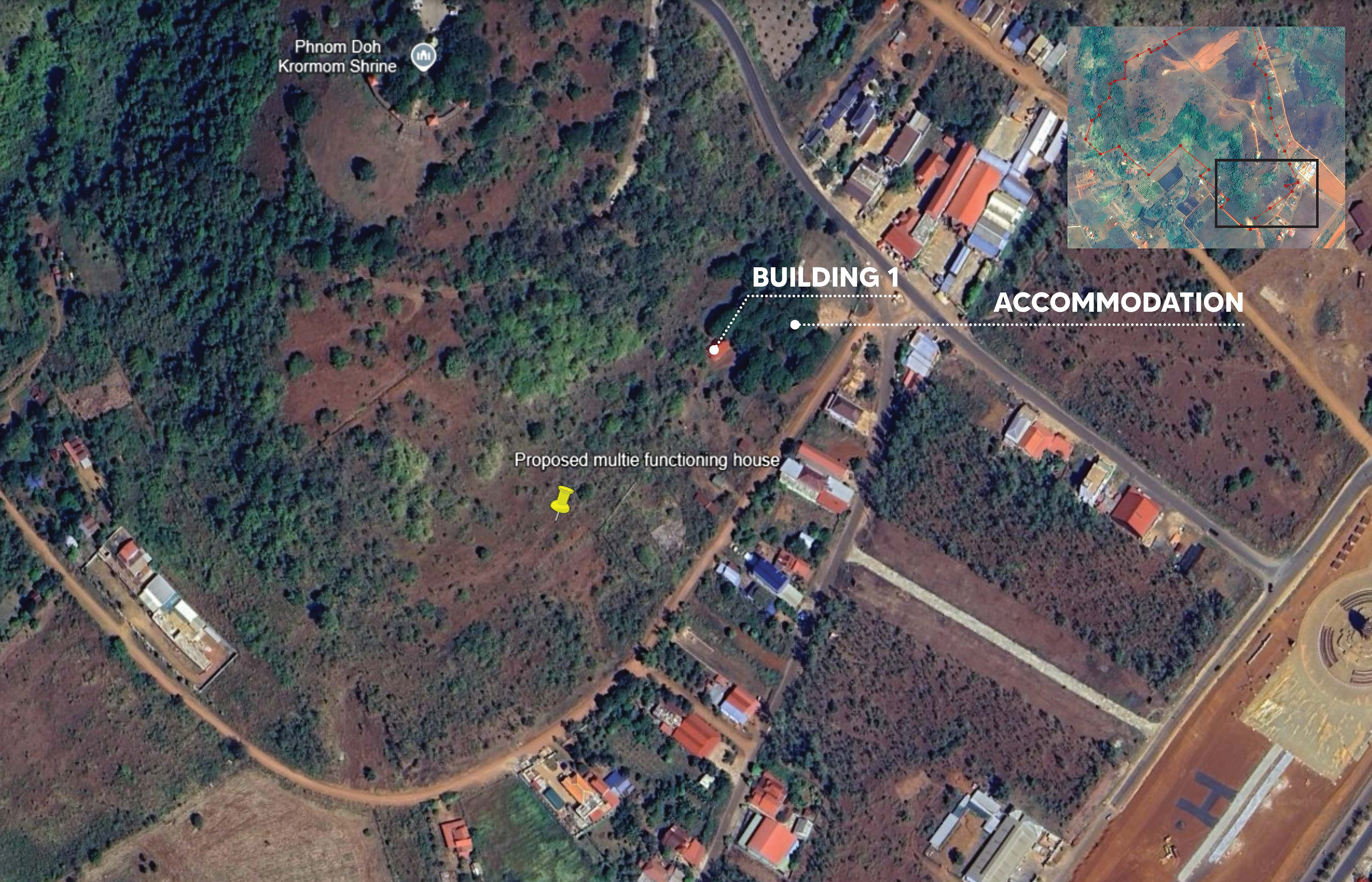
The proposed site is located on a hill of deep cultural and spiritual significance for the indigenous Bunong community, called Phnom Doh Kromom. In recent years, increasing land pressure, tourism development, and rising land values in Mondulkiri have created growing risks of land loss, fragmentation, and cultural displacement for indigenous populations. Within this context, the project aimed to strengthen the visibility, identity, and stewardship of the community over the site while creating opportunities for education, gathering, cultural exchange, and sustainable tourism.
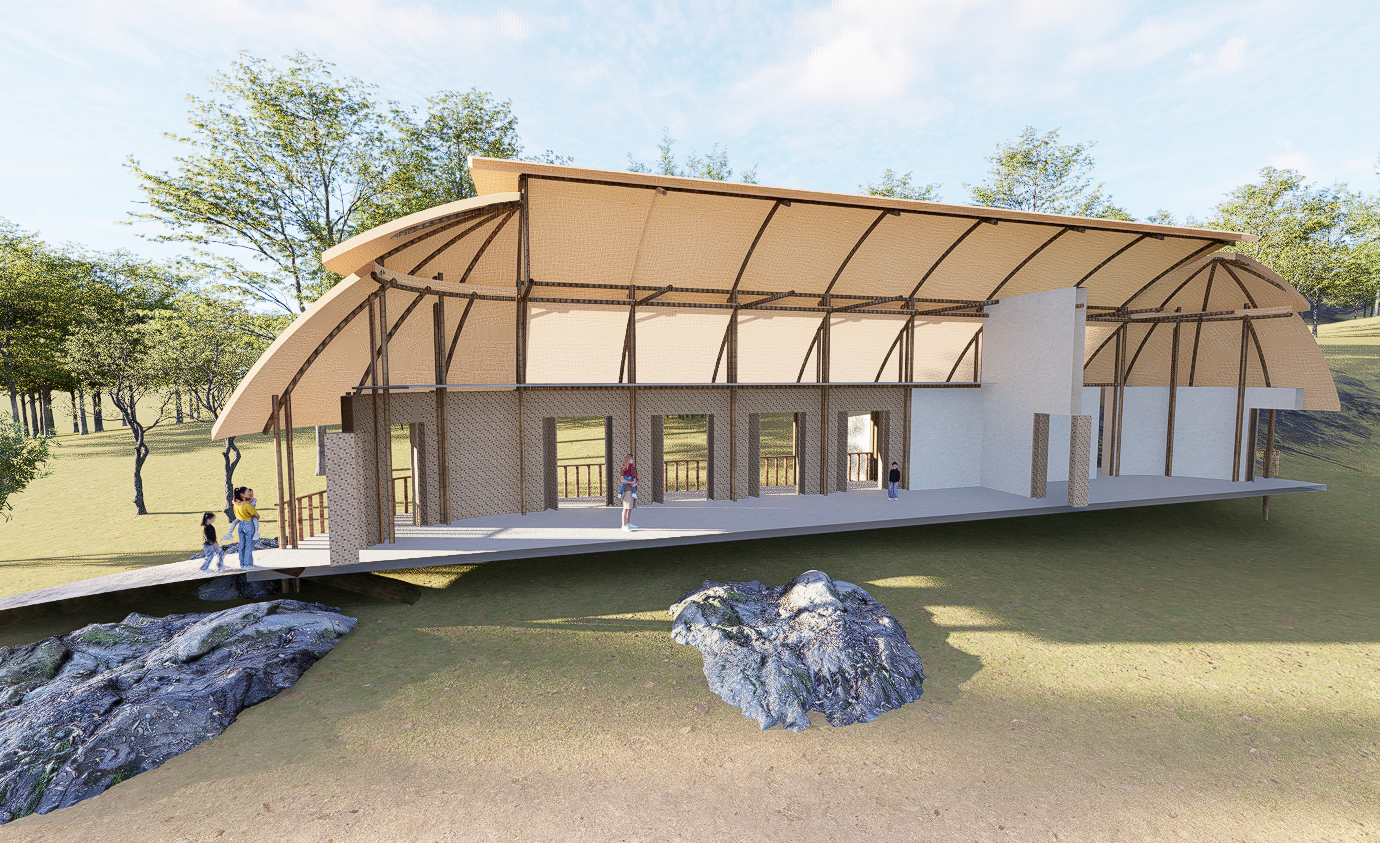
One of the most meaningful aspects of the project was the possibility of creating a bridge between tradition and innovation. The design explored how local and natural materials such as bamboo, timber, and thatch could be combined with contemporary construction knowledge and preservation techniques to improve durability, resilience, and long-term usability while respecting indigenous building traditions and the surrounding landscape.
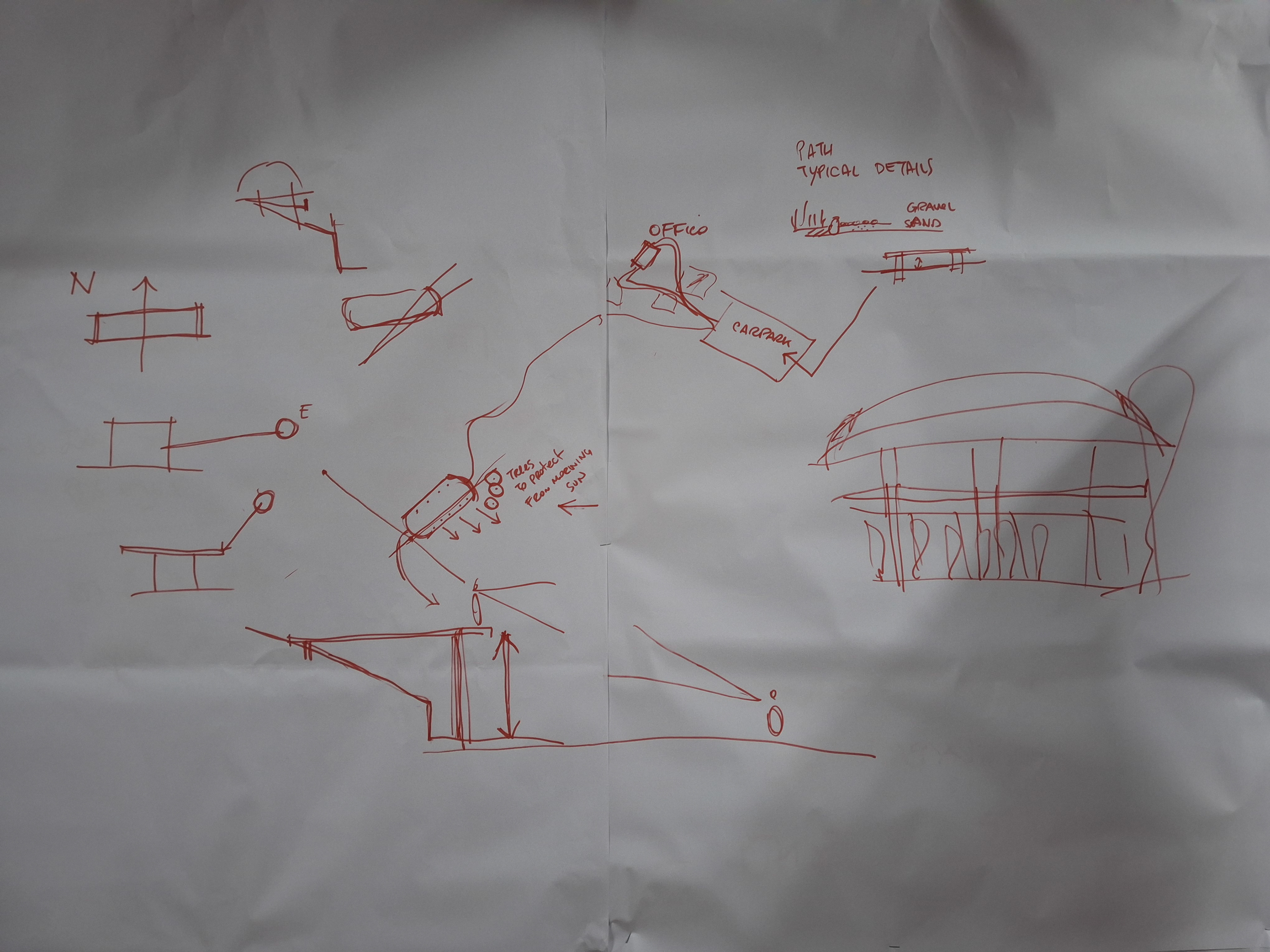
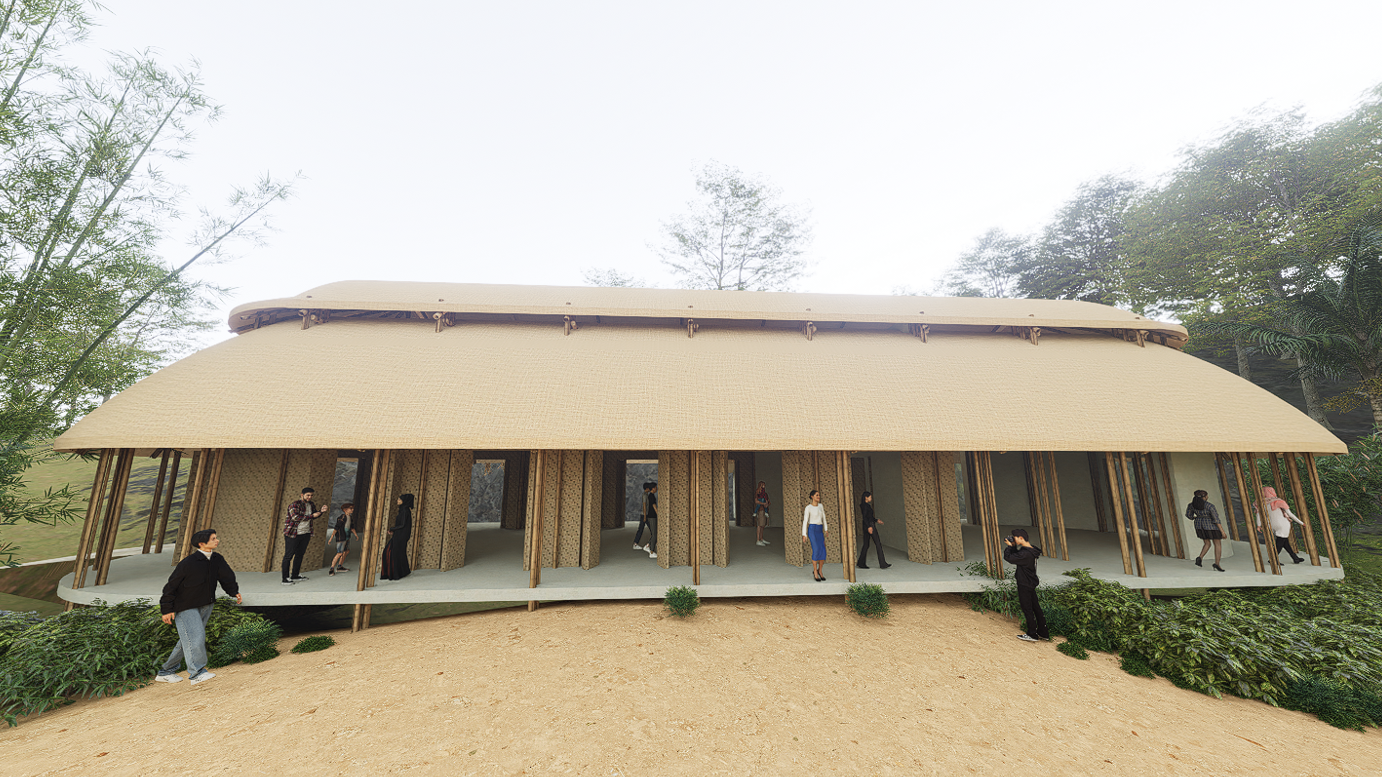
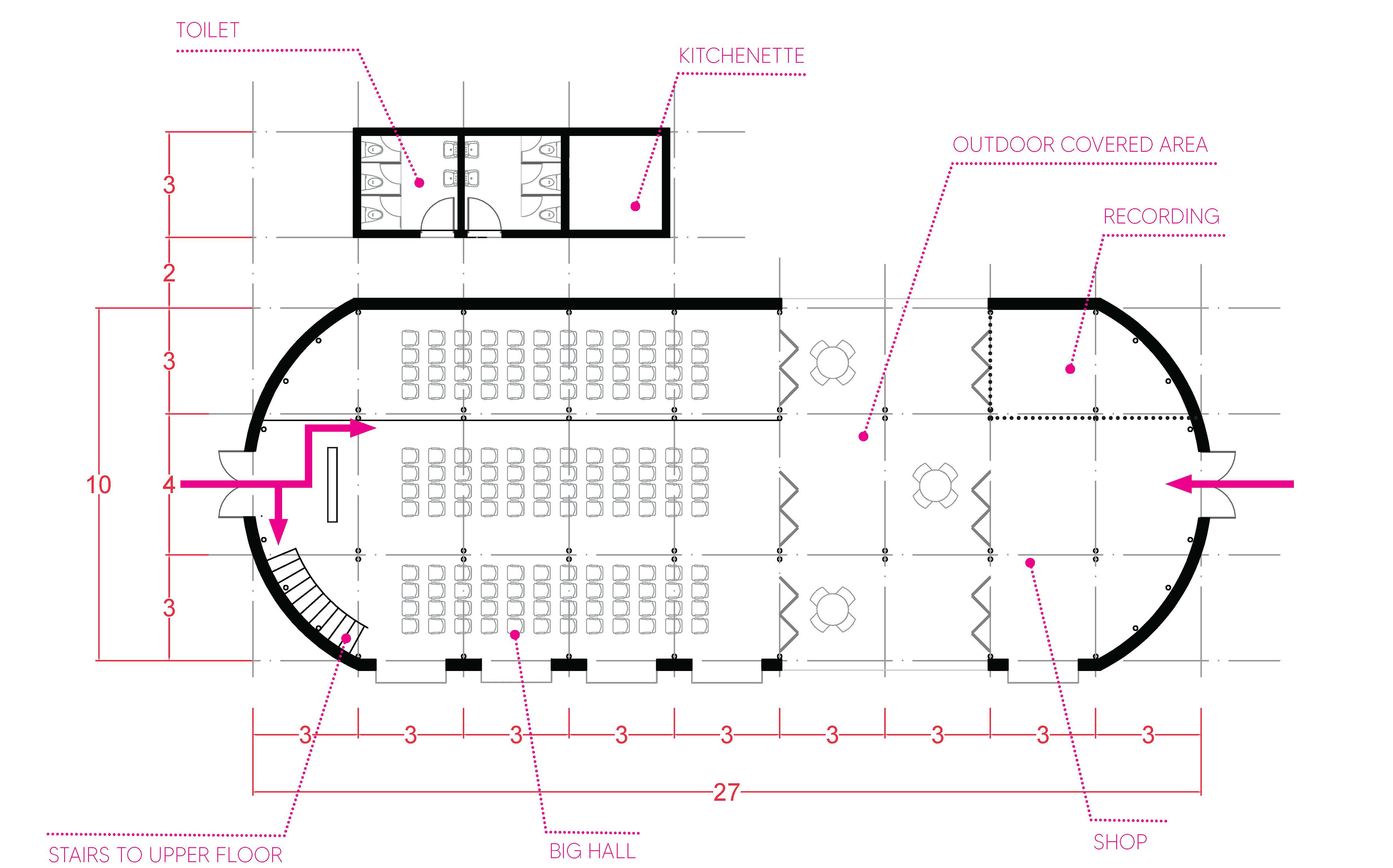
Beyond the building itself, the project also opened the possibility for the development of a wider ecological and cultural masterplan throughout the hill. The vision included lightweight pathways carefully integrated into the natural terrain, allowing visitors to move through the landscape respectfully, alongside small information points and storytelling spaces where indigenous histories, knowledge, and traditions could be shared directly by the communities themselves.
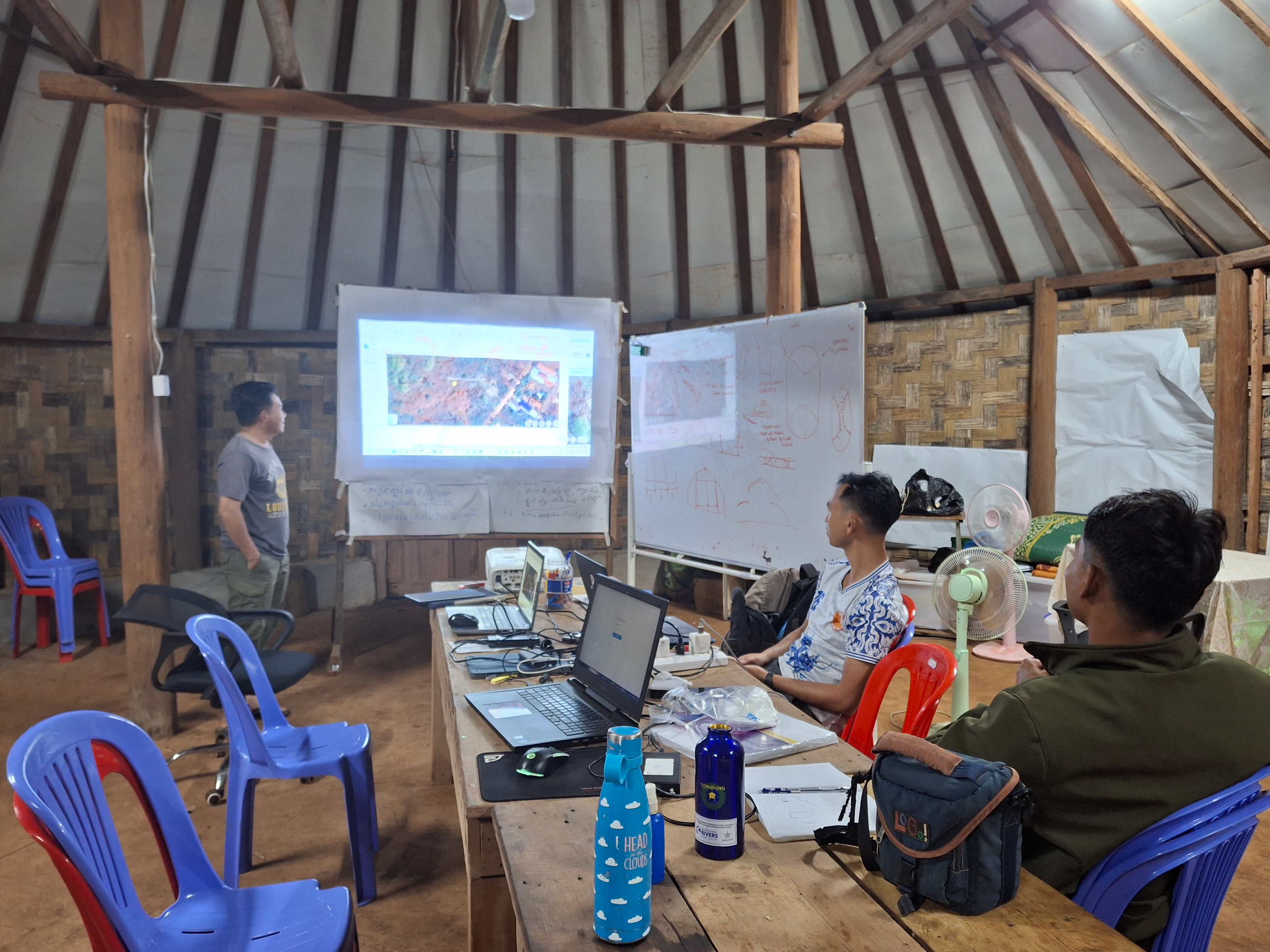
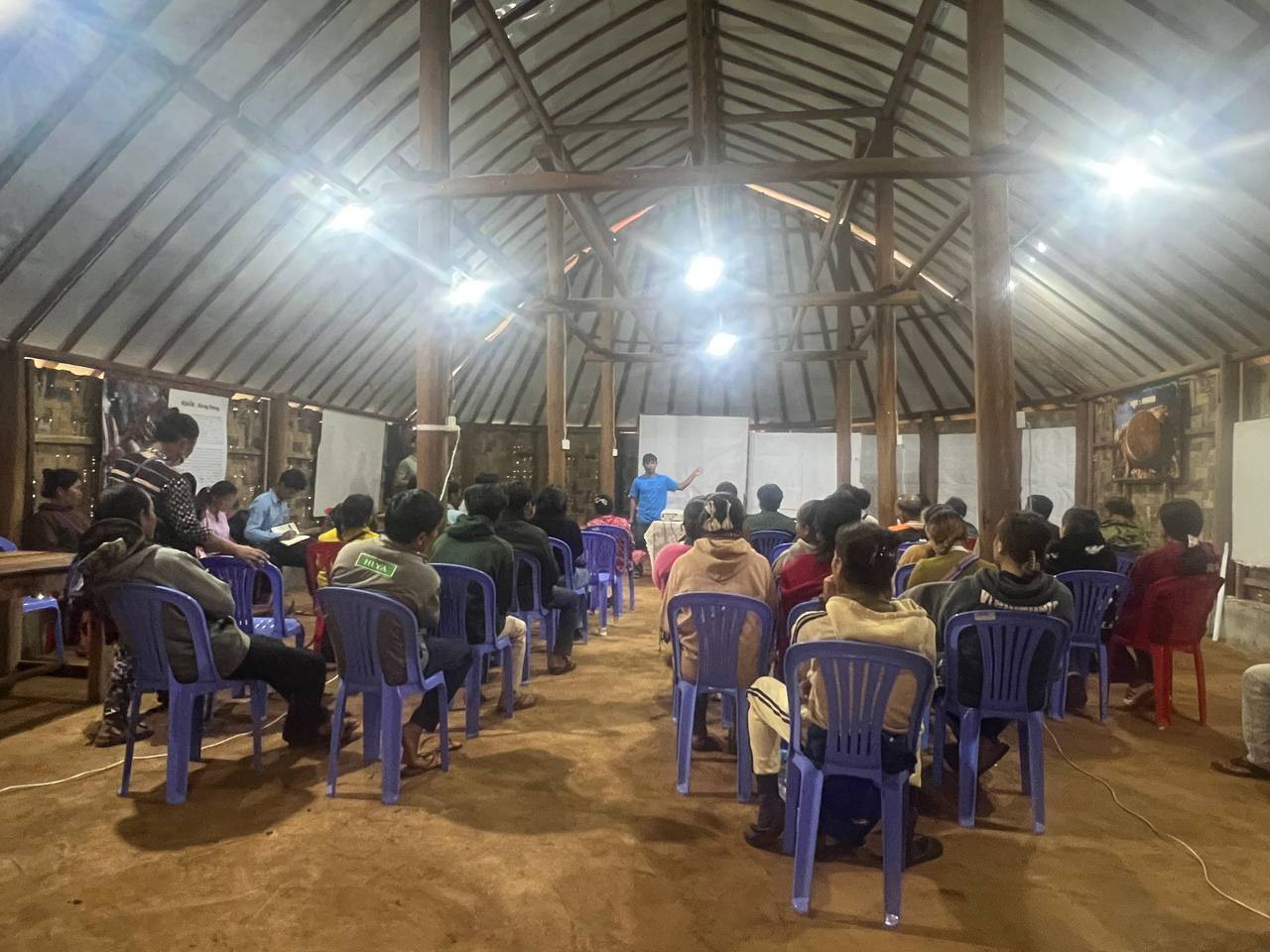
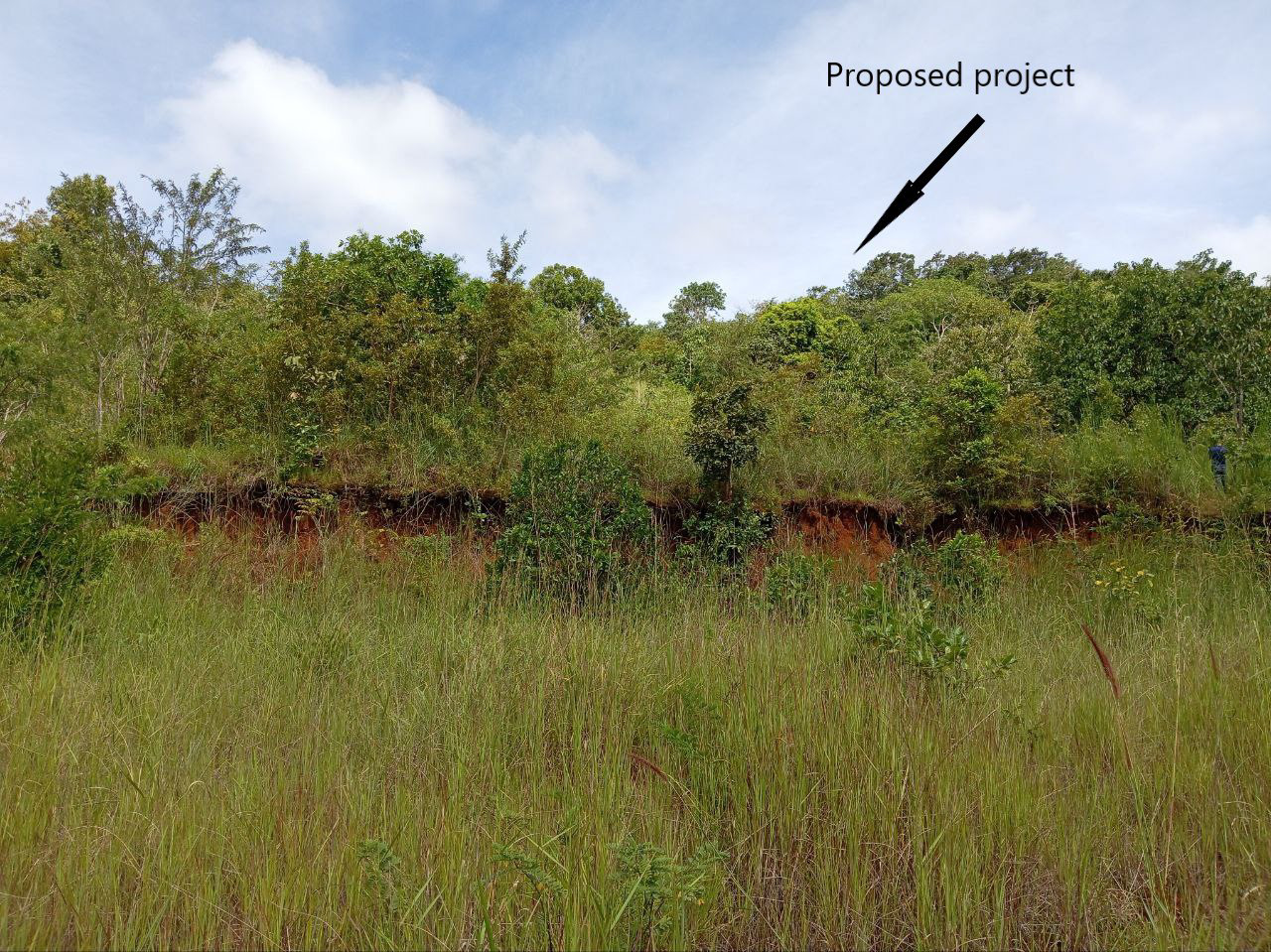
Rather than transforming the site into a conventional tourist destination, the ambition was to create a place of exchange, learning, and environmental respect — where local communities could maintain ownership over their narratives while building new economic and cultural opportunities for future generations.
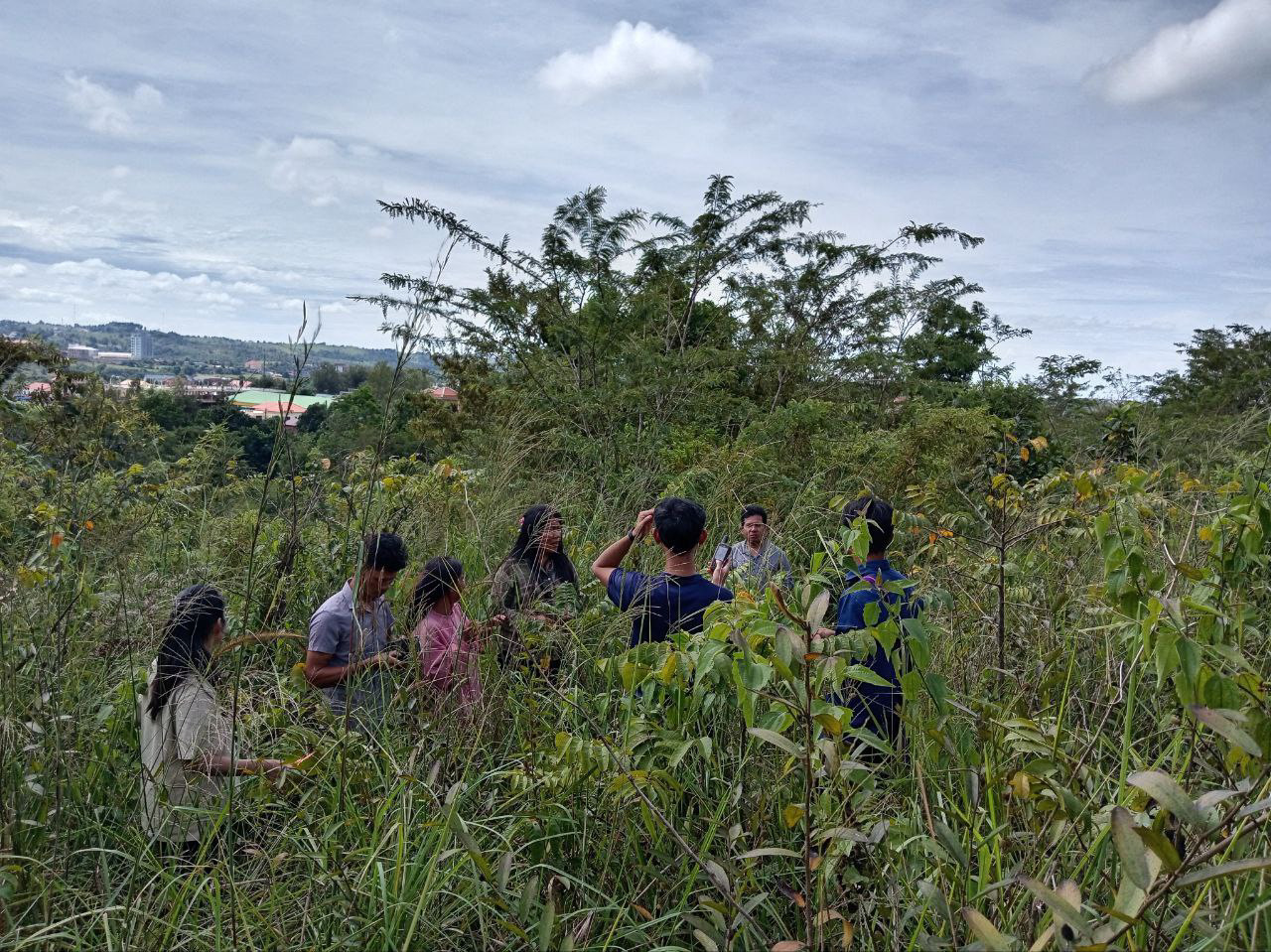
Unfortunately, the project is currently on hold due to a lack of funding. Nevertheless, the process remains an important example of how participatory design and architecture can support cultural preservation, environmental stewardship, and community empowerment simultaneously.