
PADIGLIONE SEMPLICEMENTE
Status: on-going
Location: Pegli, Genova, Italy
Year: 2026
Client: Semplicemente
Scope of service: Designer and Workshop coordinator
Location: Pegli, Genova, Italy
Year: 2026
Client: Semplicemente
Scope of service: Designer and Workshop coordinator
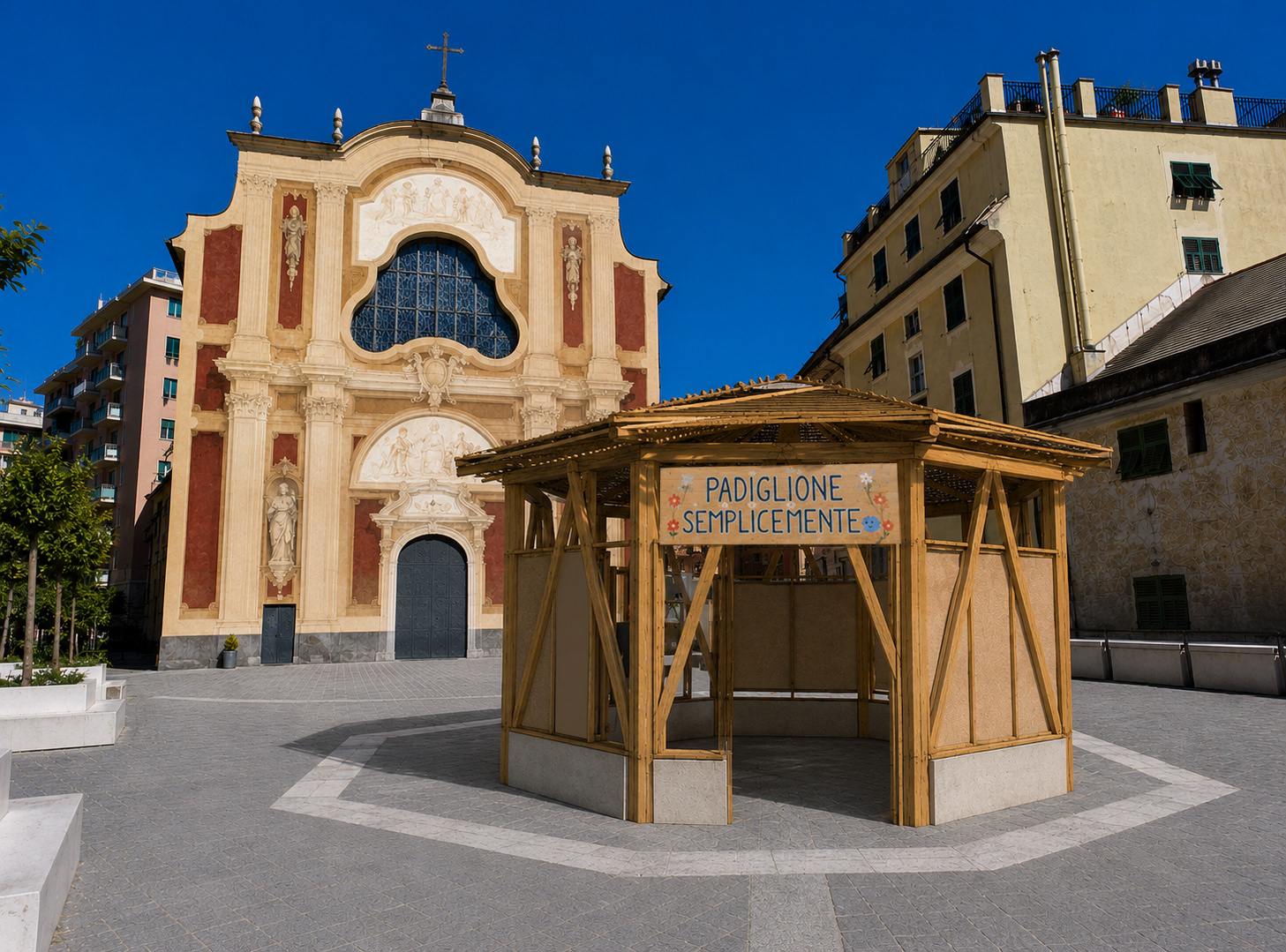
Photo by Civico 31
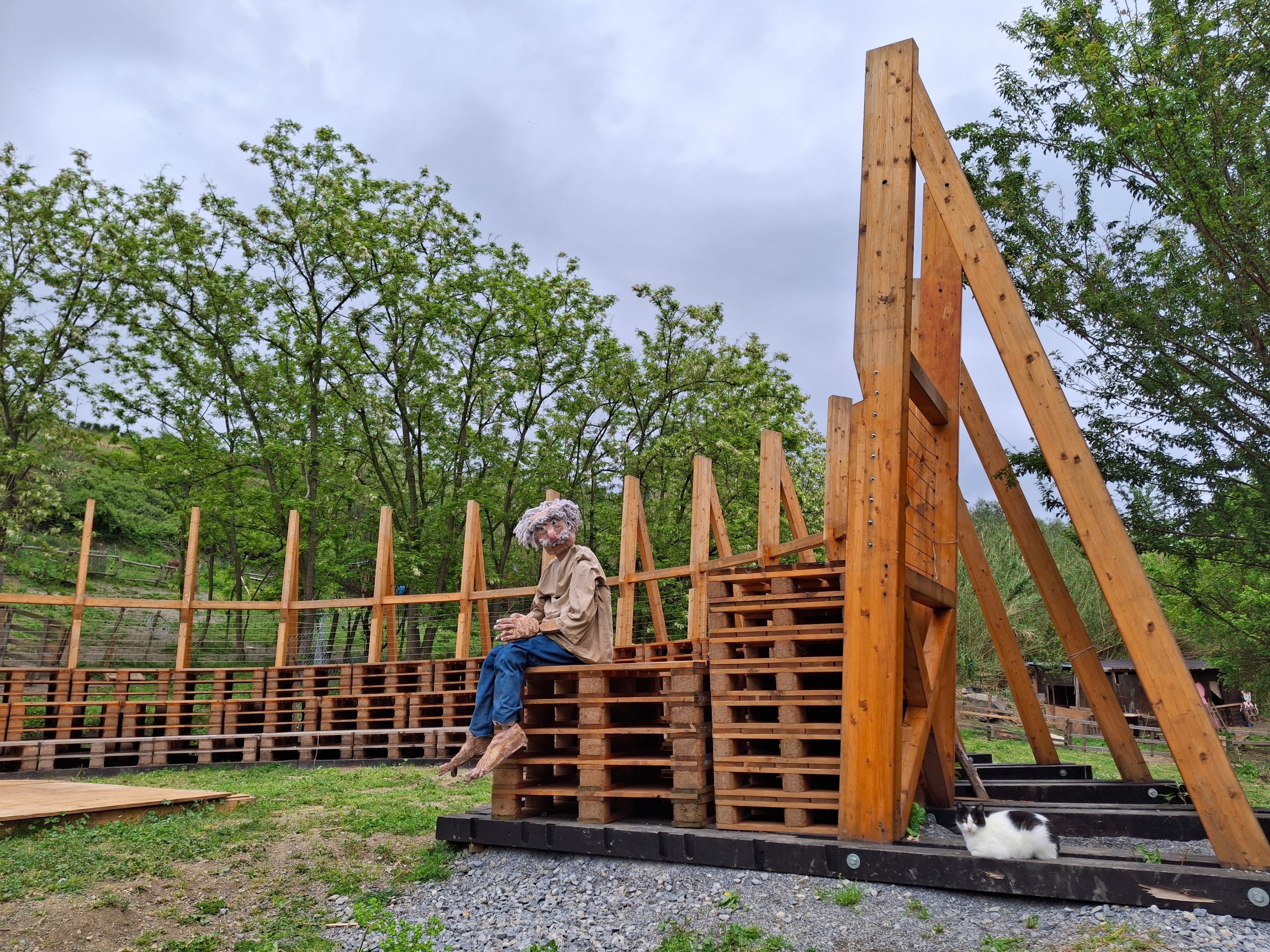
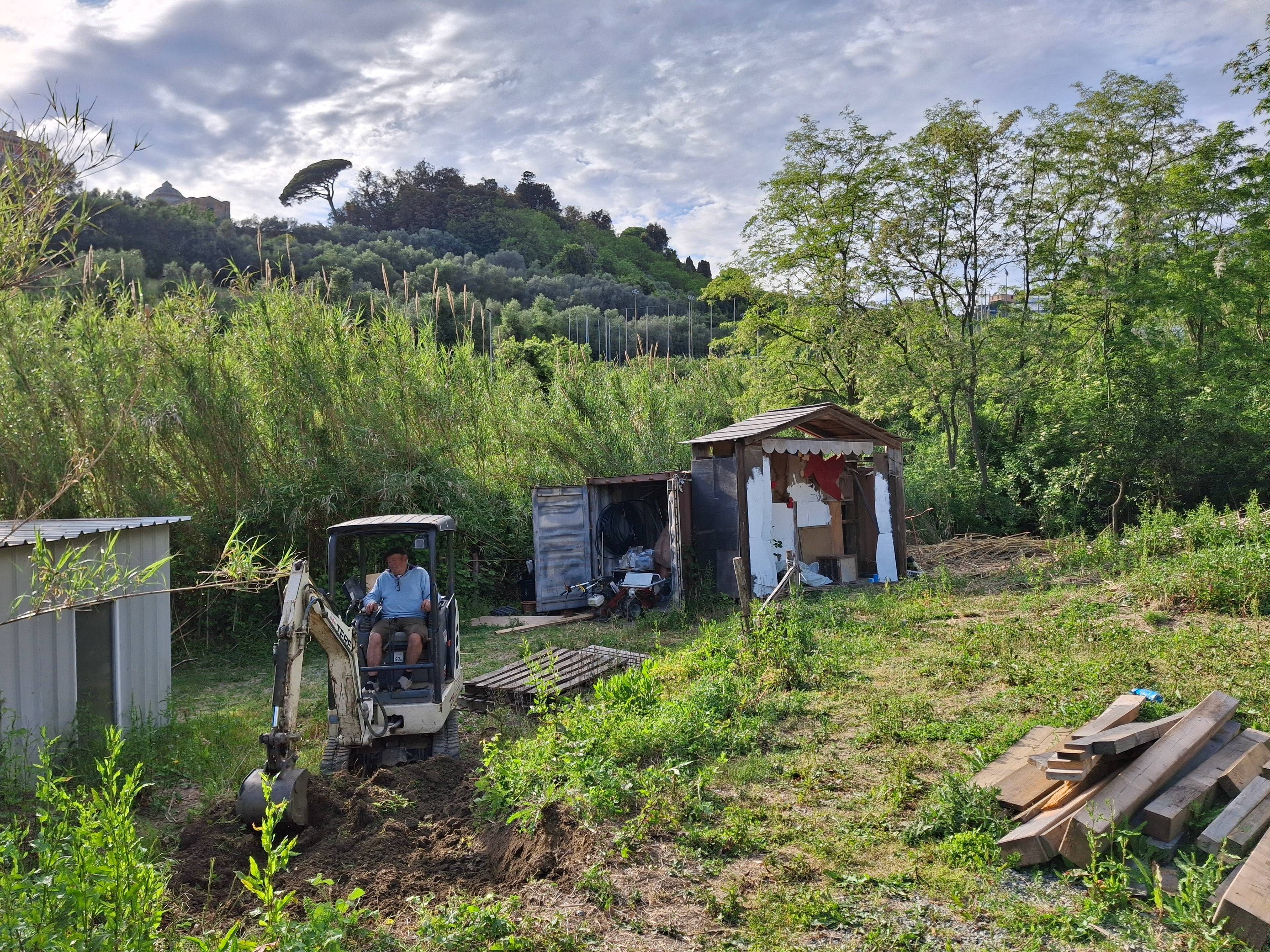
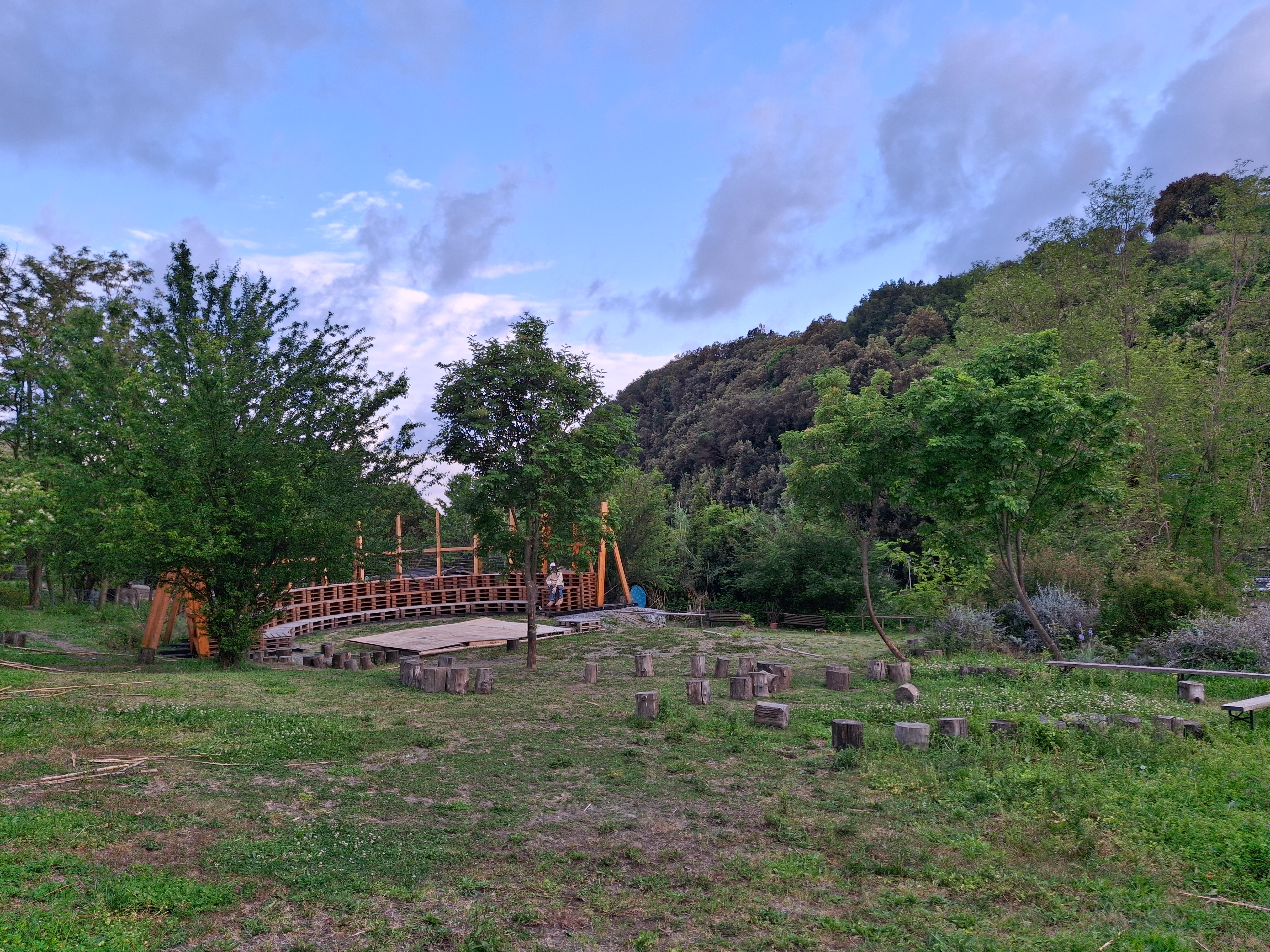
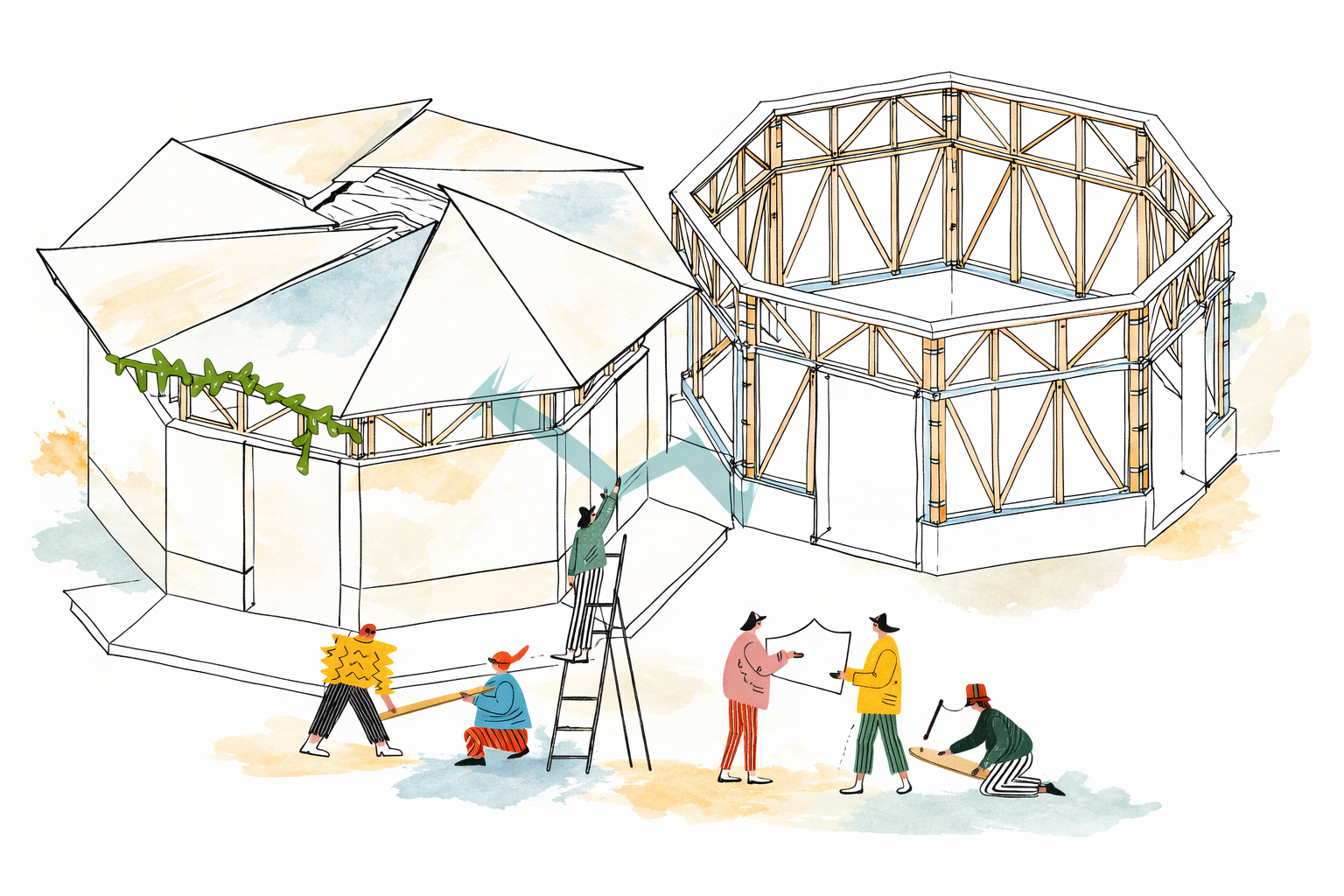
The Padiglione Semplicemente is a participatory bio-architecture project developed in collaboration with the association Semplicemente, Building Trust International, Fondazione CIF Formazione, volunteers, students, and local stakeholders in Genova.
The Padiglione Semplicemente is currently in its first phase of development. The pavilion will be exhibited during the Genova Design Week 2026 from the 2nd to the 7th of June 2026 as both an installation and a living demonstration of participatory and sustainable construction practices.
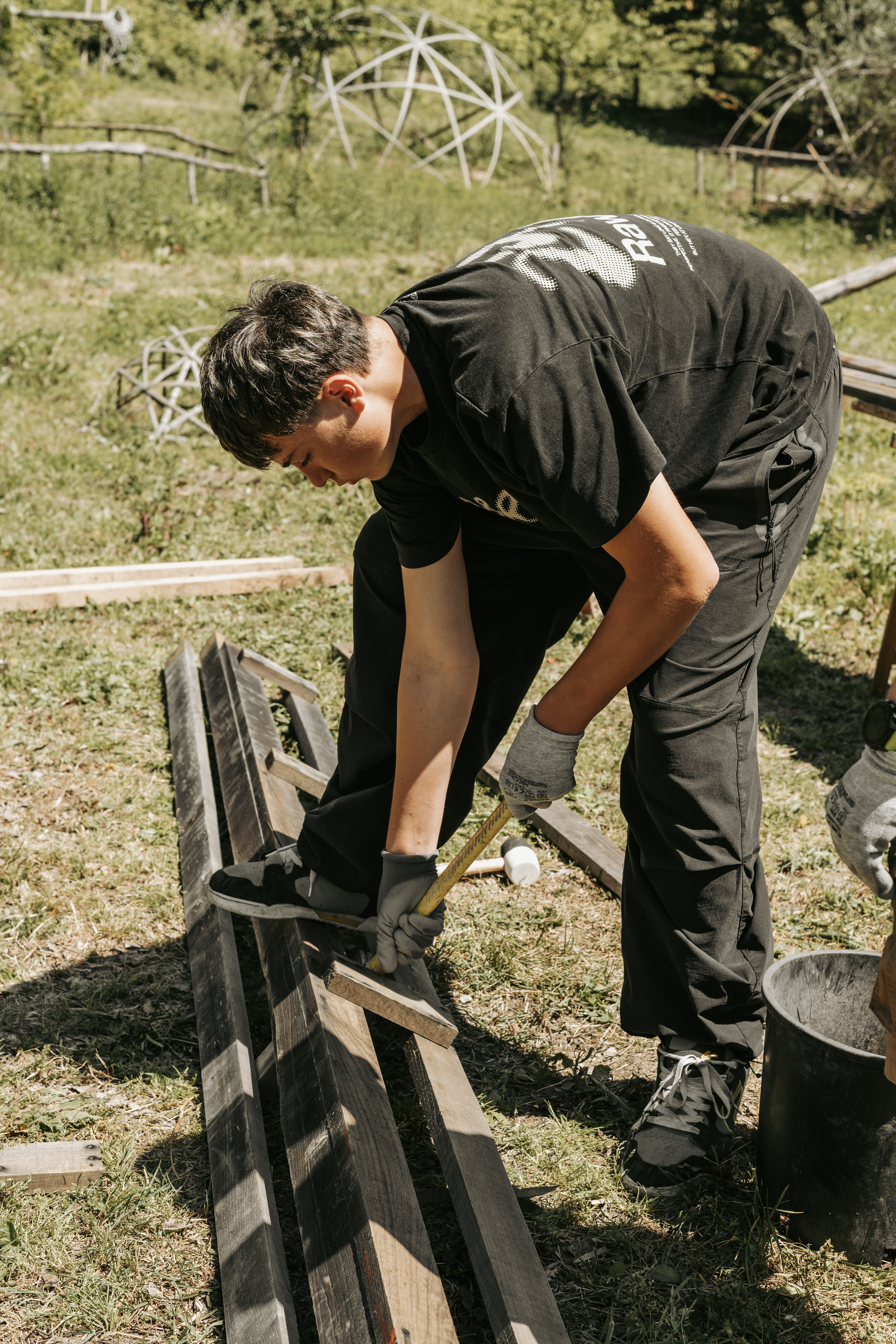
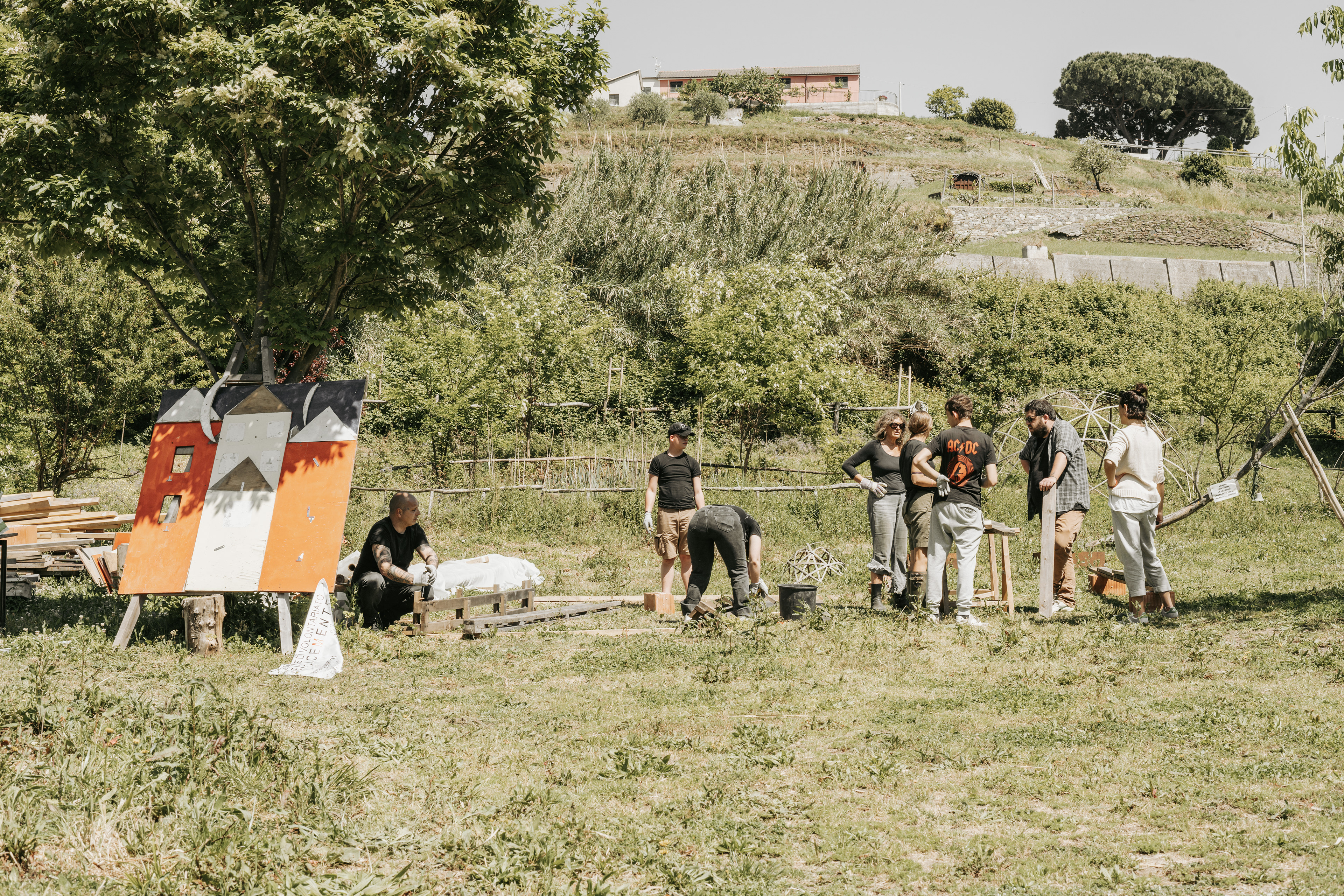
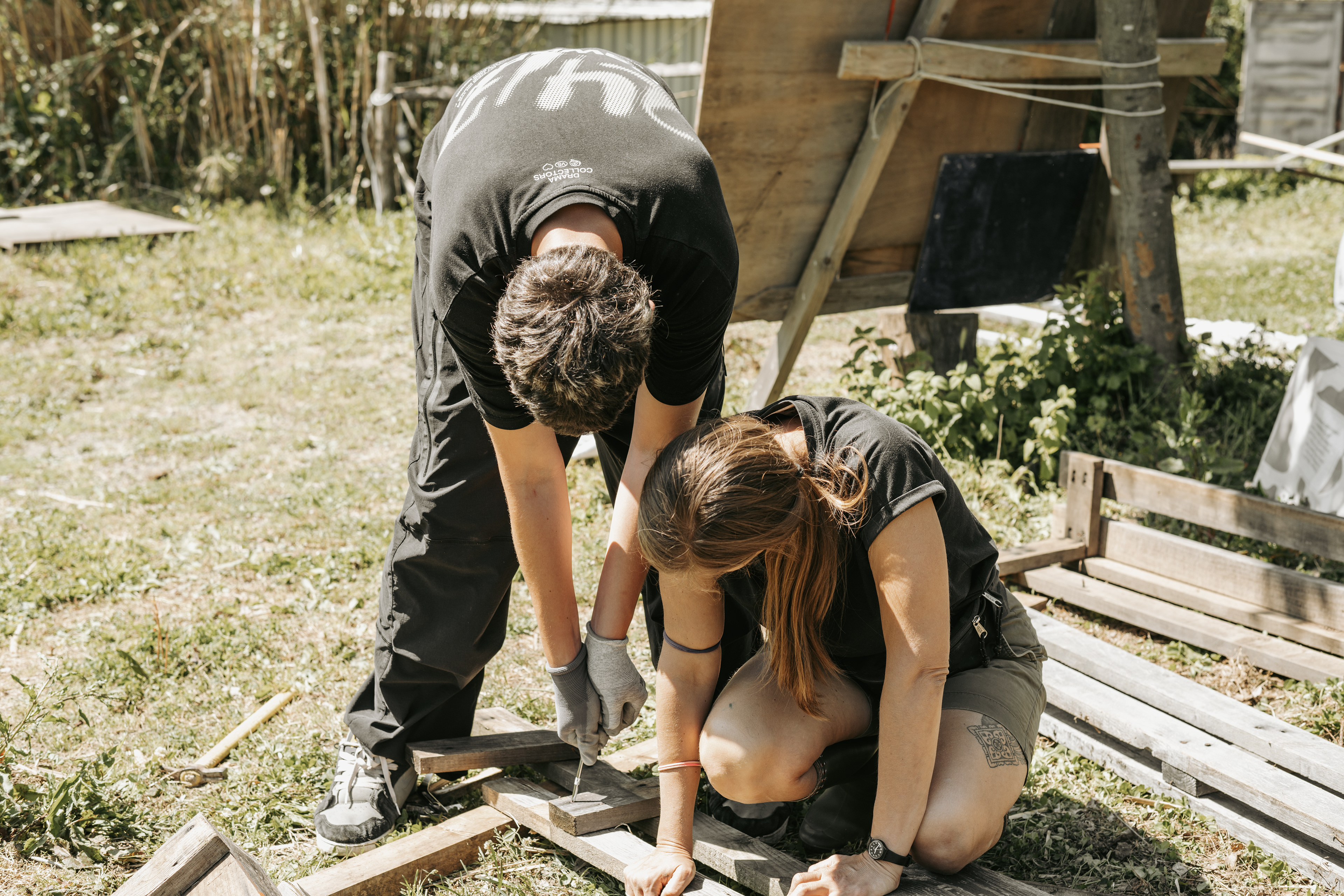
The project began with a series of lessons and hands-on activities involving a group of students from Fondazione CIF Formazione, including participants with different types of disabilities. From the beginning, the process has focused not only on building a structure, but also on creating opportunities for learning, collaboration, and active participation.
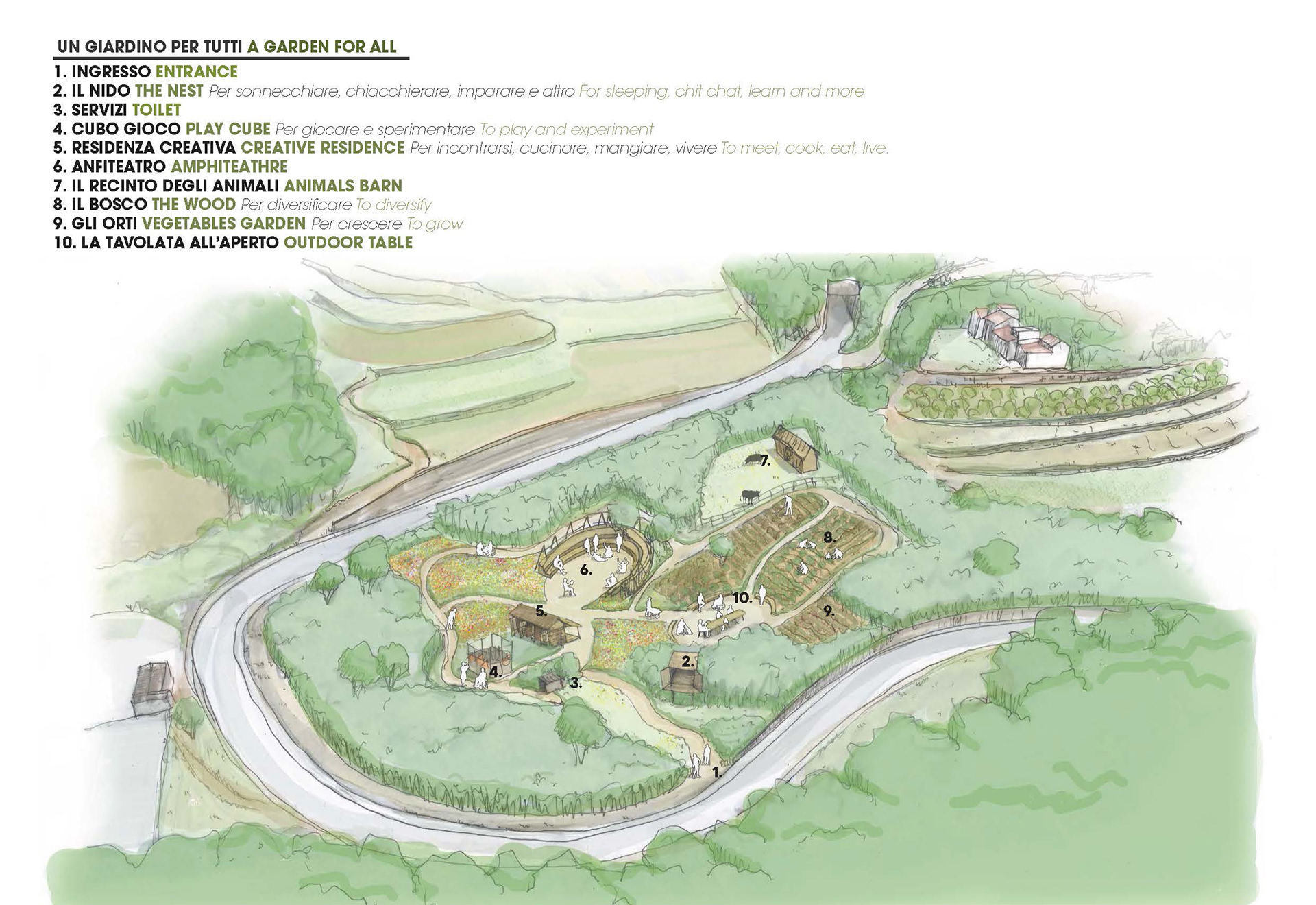
This first pavilion represents the beginning of a broader long-term vision. The hope is to secure funding to rebuild the pavilion permanently within the park using appropriate foundations and more complete construction systems, bringing it to a level of completion that allows real livability and everyday use. At the same time, the project aims to create concrete work opportunities for students involved in the programme, supporting them in becoming active caretakers and maintainers of the regenerated public space.
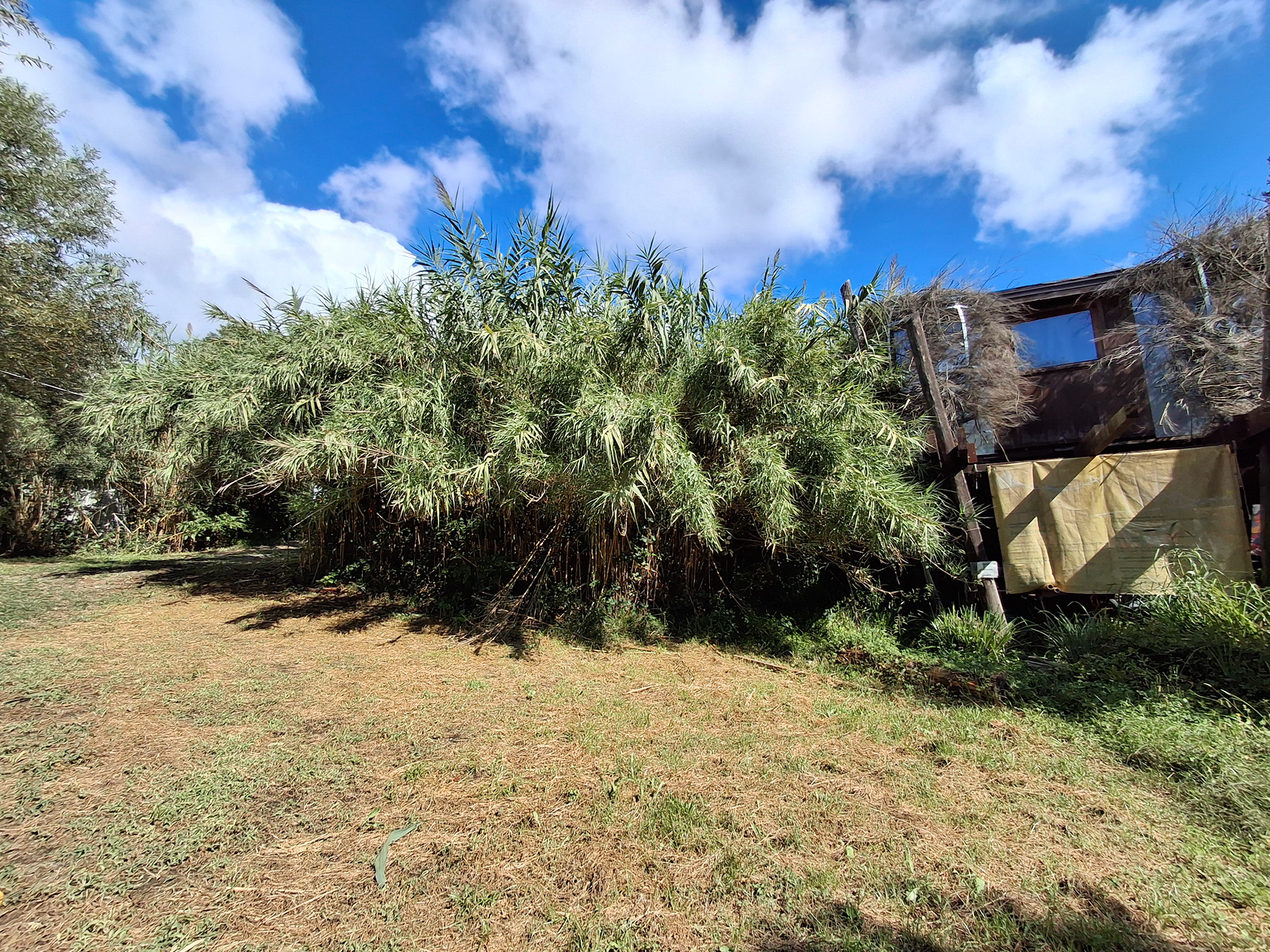
More than a pavilion, the project is conceived as a process of collective regeneration: a small-scale architectural intervention designed to reactivate an underused public green area while creating opportunities for inclusion, learning, and community participation.
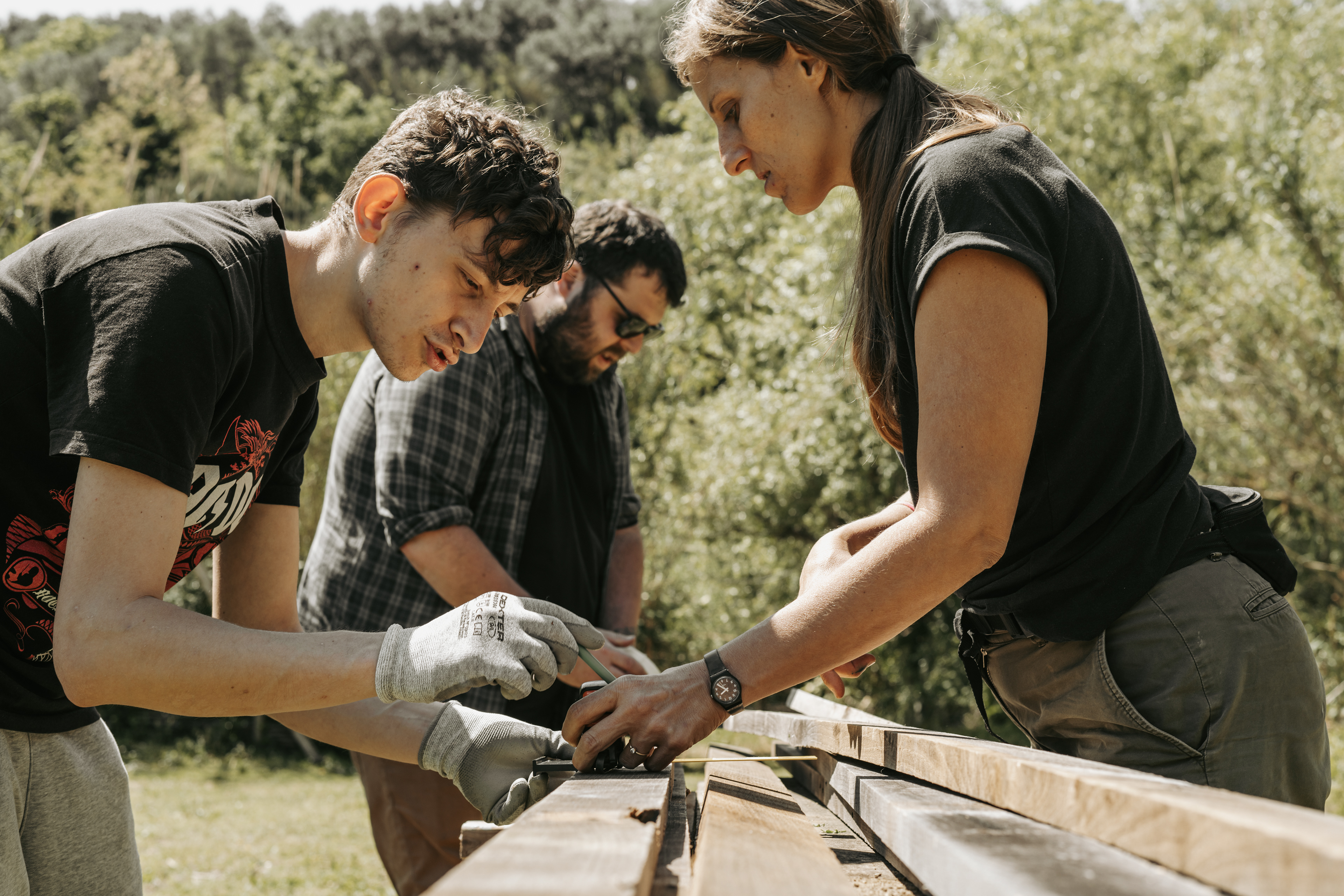
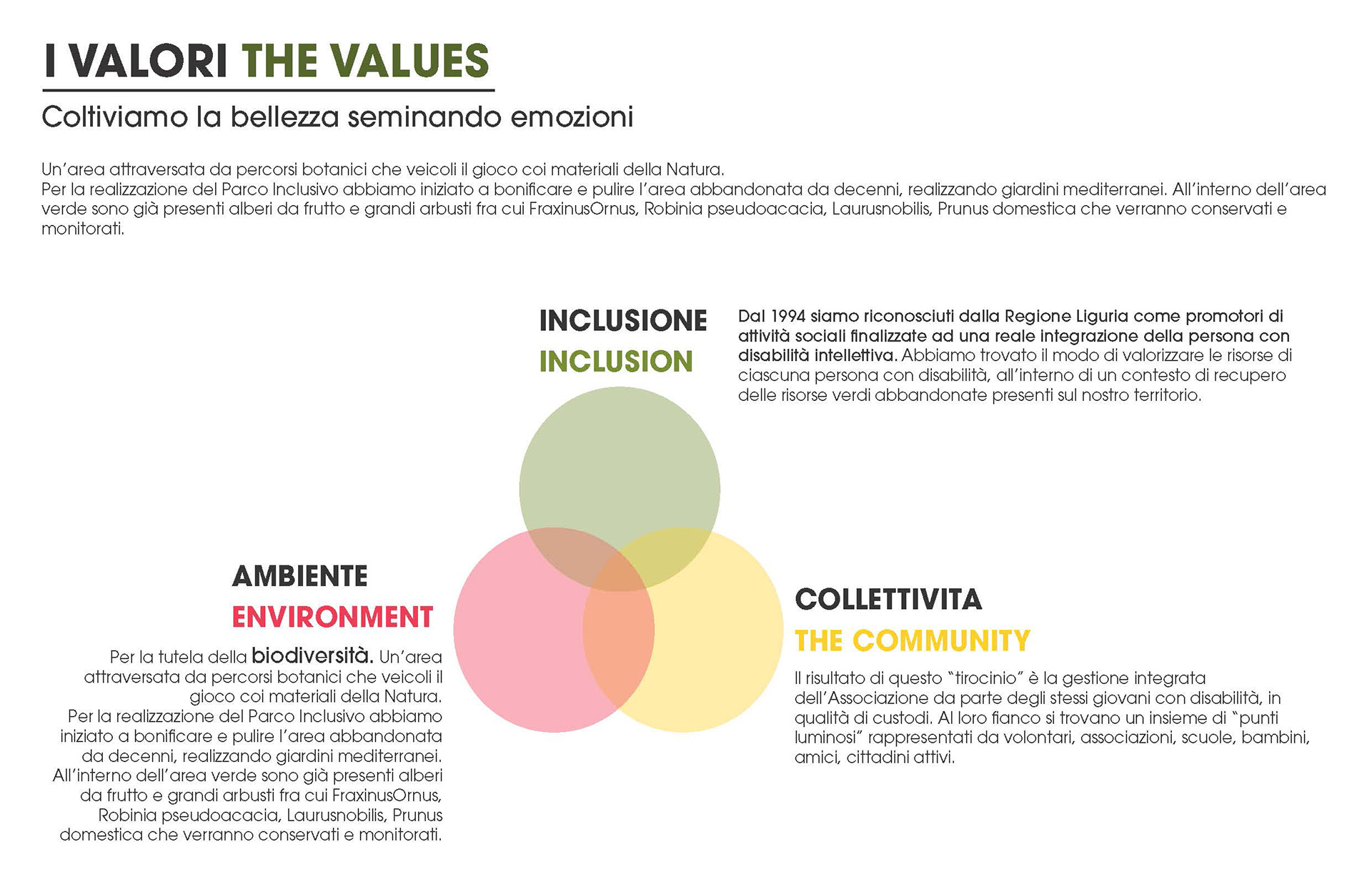
The project is built around three core values: regeneration, inclusion, and bio-architecture.
REGENERATION
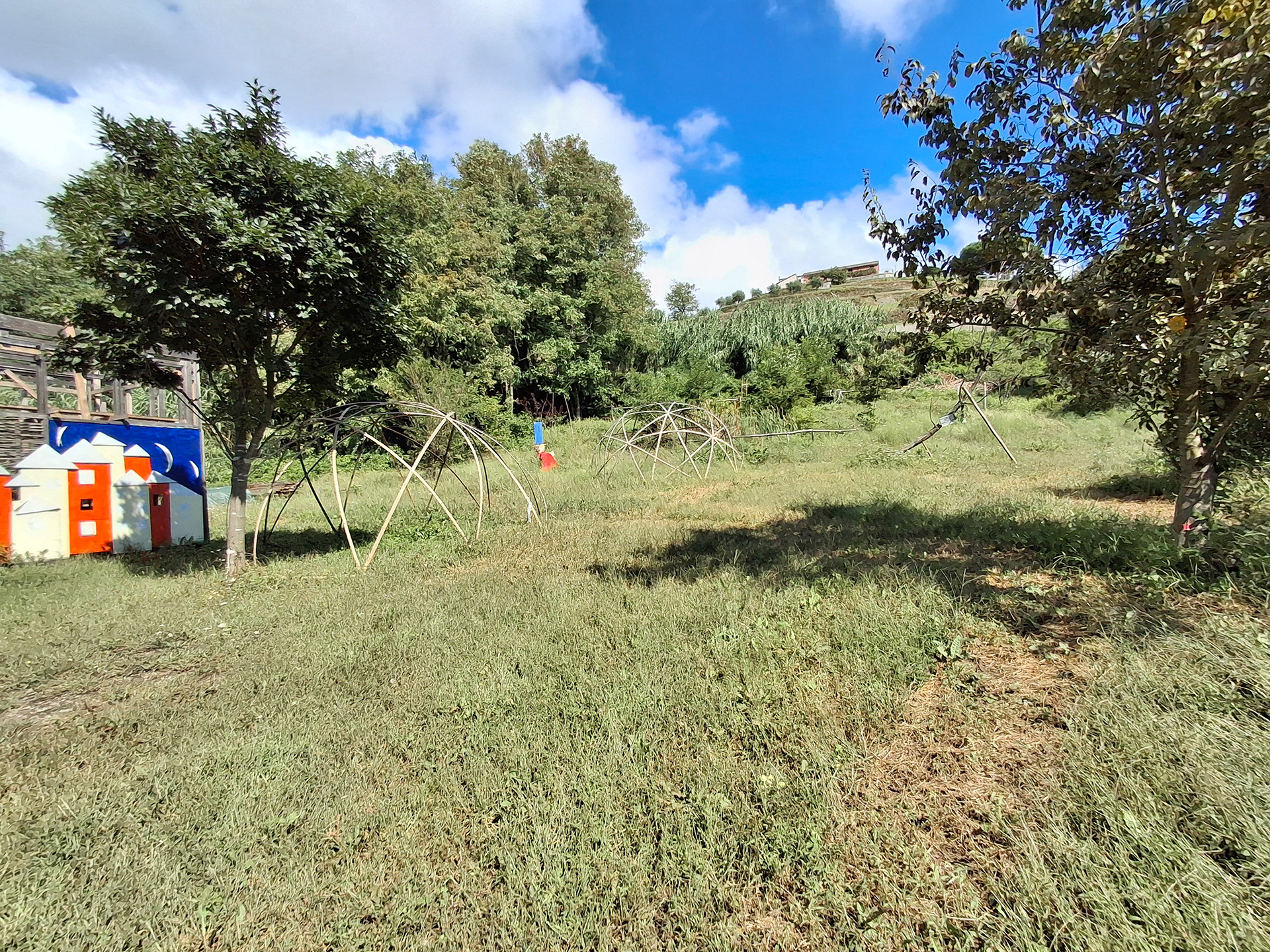
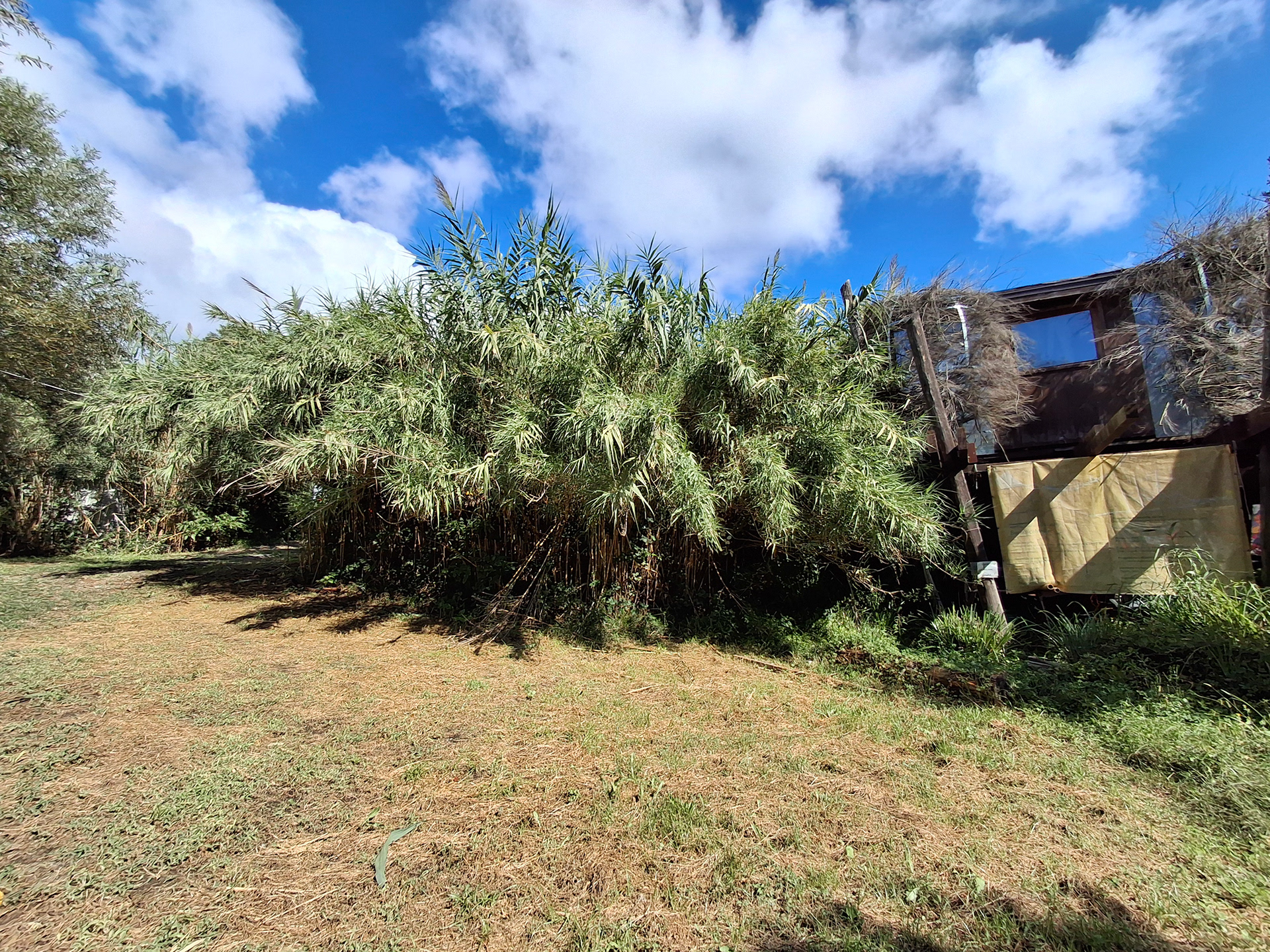
The pavilion is part of a broader vision for the regeneration of neglected urban green spaces. Rather than imposing a finished object onto the site, the project aims to gradually transform the area through collective care, activities, workshops, and everyday use. Architecture becomes a tool to bring people back into relationship with public space, turning an abandoned area into a welcoming and active environment for cultural, social, and educational initiatives.
INCLUSION
The project was developed together with Semplicemente, a local association working for over 30 years with people with disabilities. Inclusion is not treated as an abstract concept, but as a daily design practice that requires listening, adaptation, and participation. The construction process itself becomes part of the project’s social impact: workshops and co-building sessions allow people with different backgrounds, abilities, and experiences to actively contribute according to their own possibilities and interests.
The pavilion aims to create a space where people can gather, learn, share skills, and feel ownership over a collective environment. At the same time, it explores how architecture can support autonomy, participation, and new opportunities for personal and professional growth.
BIO-ARCHITECTURE
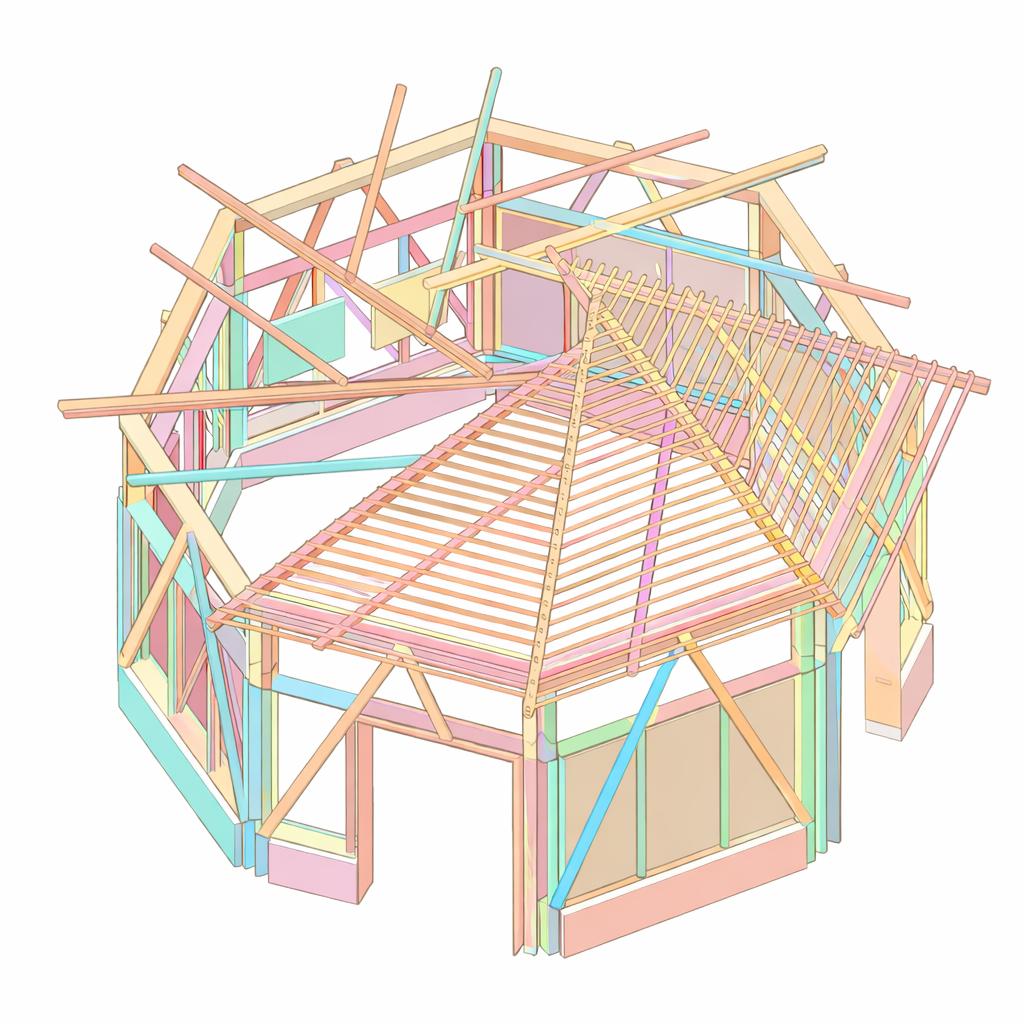
The pavilion also acts as a 1:1 experimental platform for sustainable and low-impact construction techniques. The project promotes the use of natural, locally sourced, and bio-based materials such as bamboo, timber, light earth, lime plasters, and green roofing systems. Construction methods prioritize reversibility, dry assembly, passive climate strategies, and low embodied energy.
Beyond technical performance, the project seeks to reconnect people with material knowledge and manual construction practices. Building becomes both an educational experience and a way to rediscover a more direct relationship between humans, materials, and the environment.
Ultimately, the Padiglione Semplicemente is not only about constructing a small building. It is about testing how architecture can become a catalyst for community, environmental awareness, and social inclusion — demonstrating that even small-scale interventions can generate meaningful collective impact.